
360º
.
LESS IS LESS
Víctor Solanas-Díaz
Less is Less toma como referencia la célebre frase atribuida al arquitecto Ludwig Mies van der Rohe, Less is more, que se convirtió en el lema del Minimalismo, promoviendo la sencillez, la eliminación de lo innecesario, enfocando la obra en la funcionalidad y la estética; pero en esta ocasión se propone un “reajuste” terminológico donde la antítesis y la paradoja que supuso este eslogan aforístico son sometidos a una revisión y se restaura el significado objetivo, elemental y categórico del término principal Less (Less is Less: It is not more anymore).
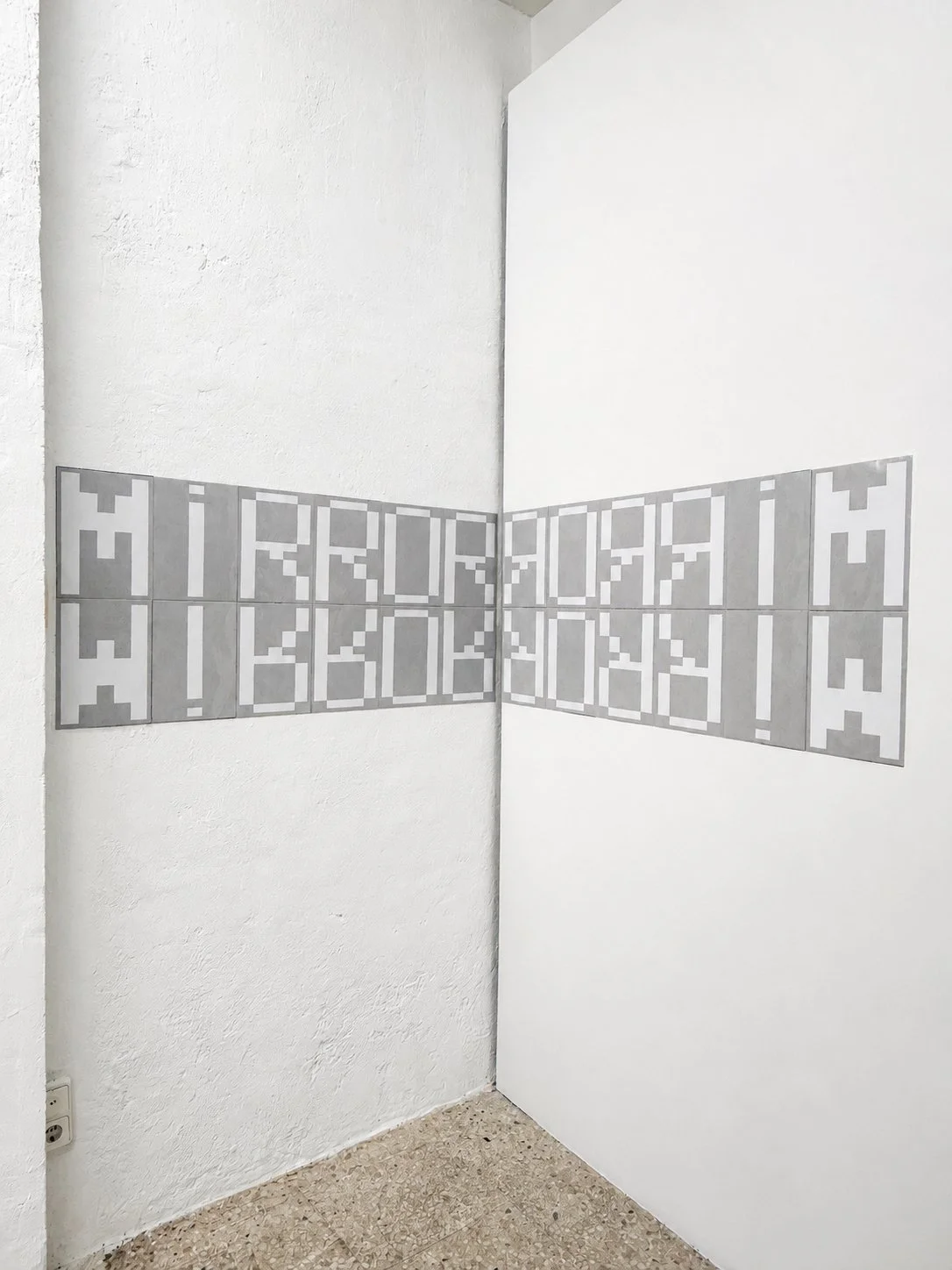
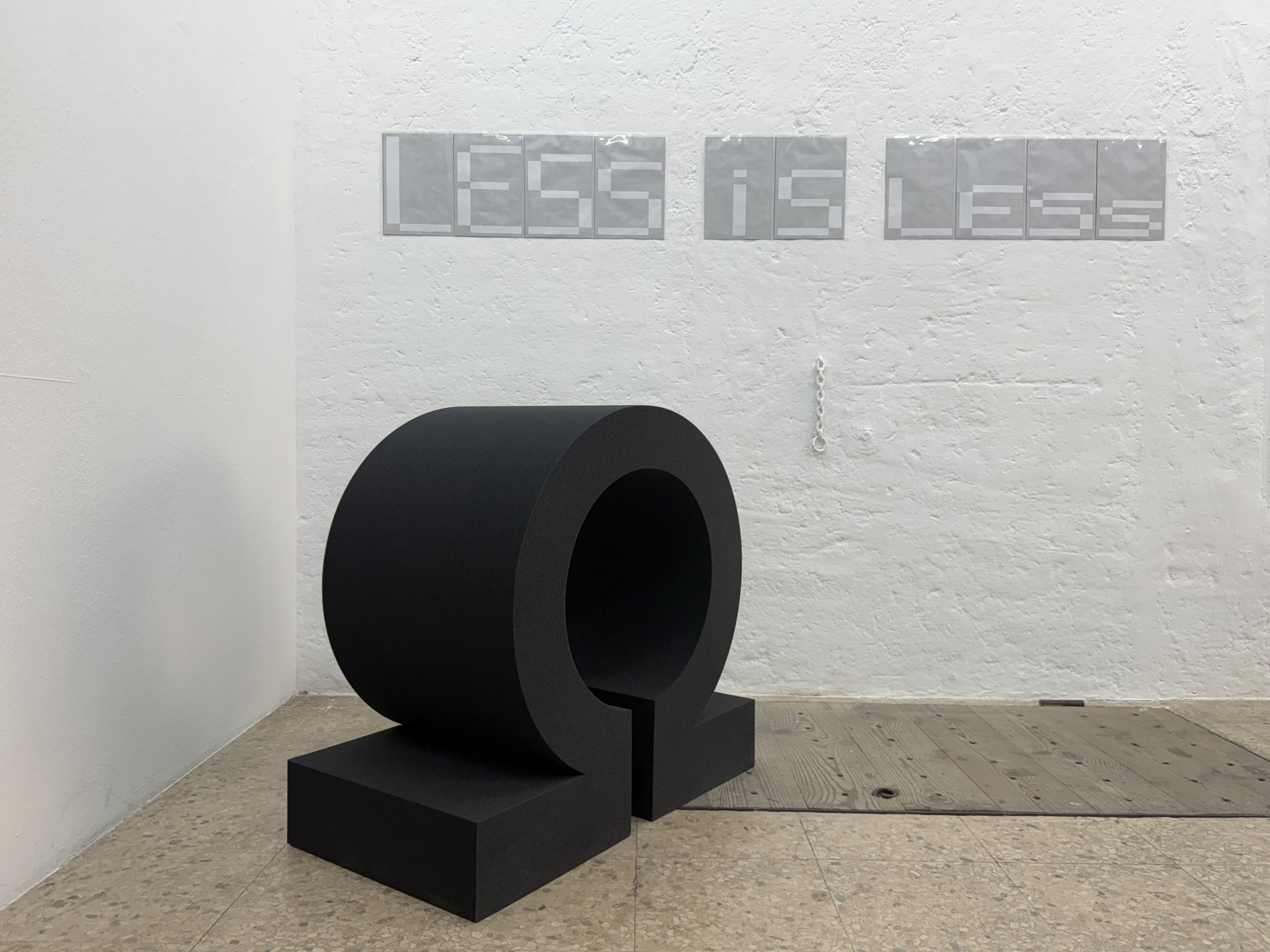
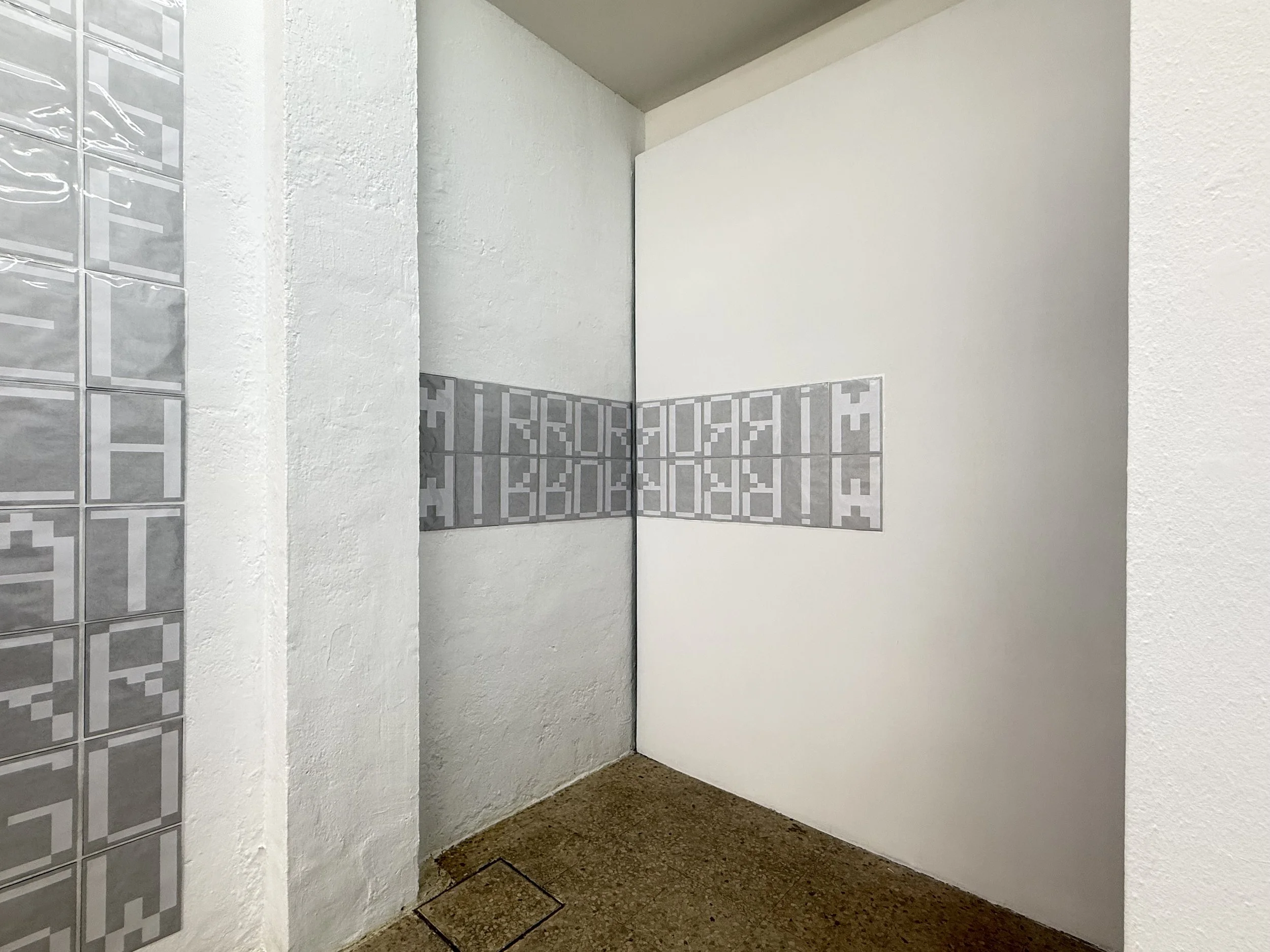
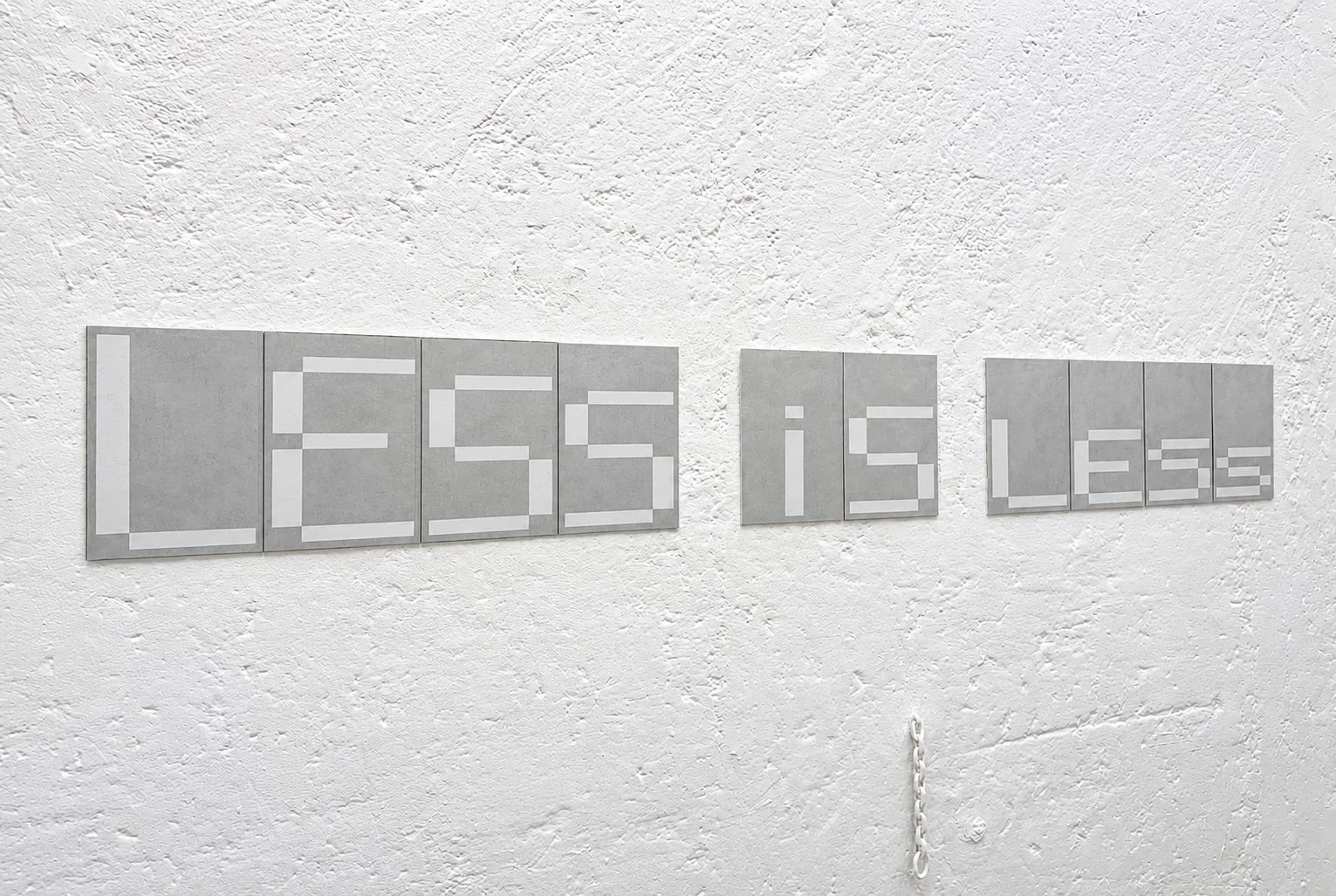
La obra central de la exposición, de título Crossword, consiste, precisamente, en un crucigrama de más de 300 cm de alto y de ancho, que invita al visitante a participar completando el sentido de la obra, realizando su “lectura final”, sin la cuál el proceso de comunicación artística carecería de sentido. Esta pieza está realizada con plantillas de etiquetas adhesivas despegables para impresora que permiten crear, cómo si de un sistema de píxeles rectangulares se tratase, las letras del abecedario y los números naturales, de manera que se pueden configurar palabras o frases y establecer un juego visual, conceptual y participativo sencillo y atractivo para el espectador. Junto al crucigrama se articulan otras dos obras realizadas con la misma técnica y desarrolladas con una intención conceptual similar. La primera de ellas es el propio título de la exposición, Less is Less, y la segunda, Mirror Mirror, donde se crea una reflexión especular de la propia palabra, ofreciendo dos tipos de efecto gráfico: un giro vertical y un espejo horizontal.
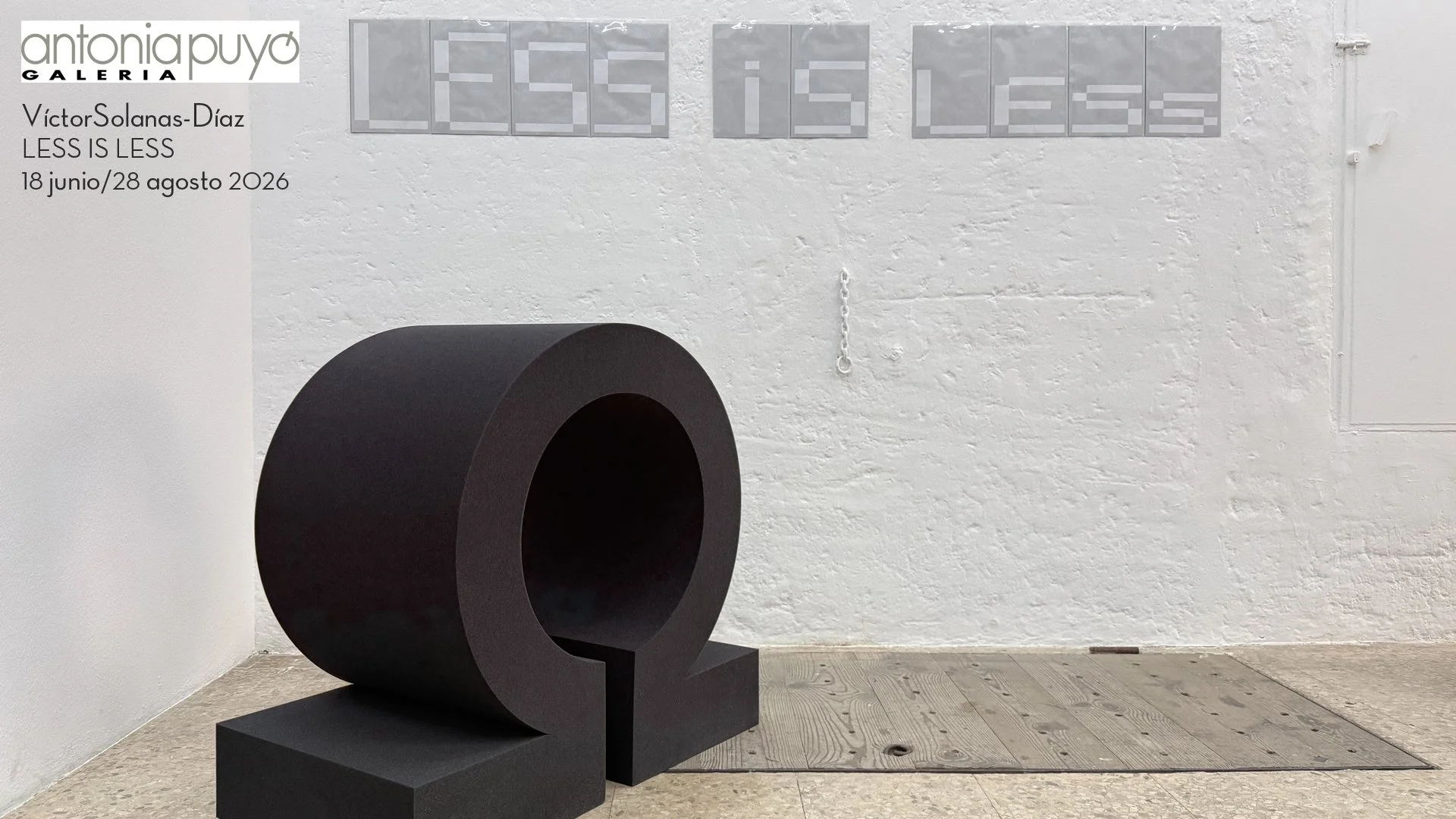
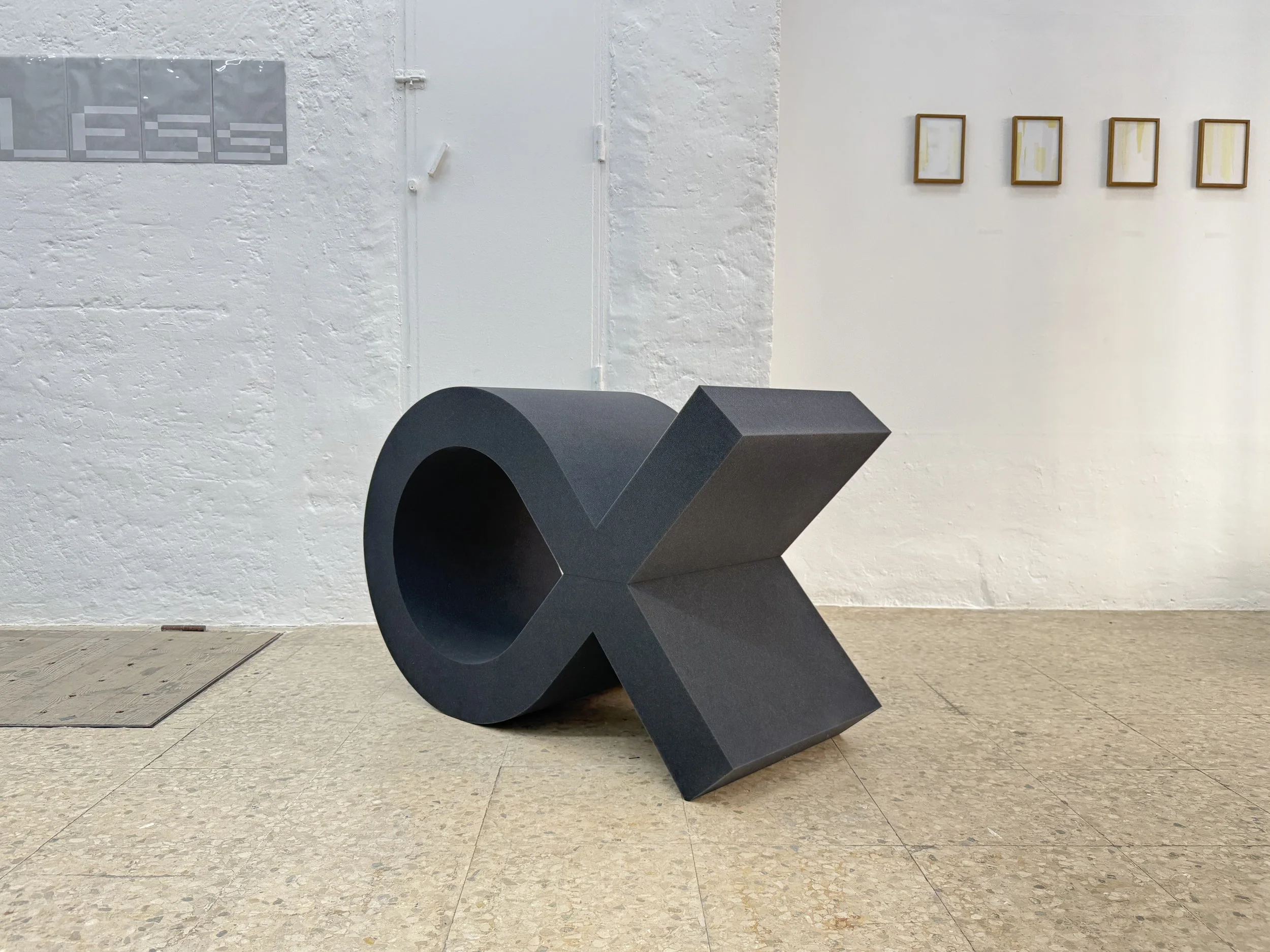
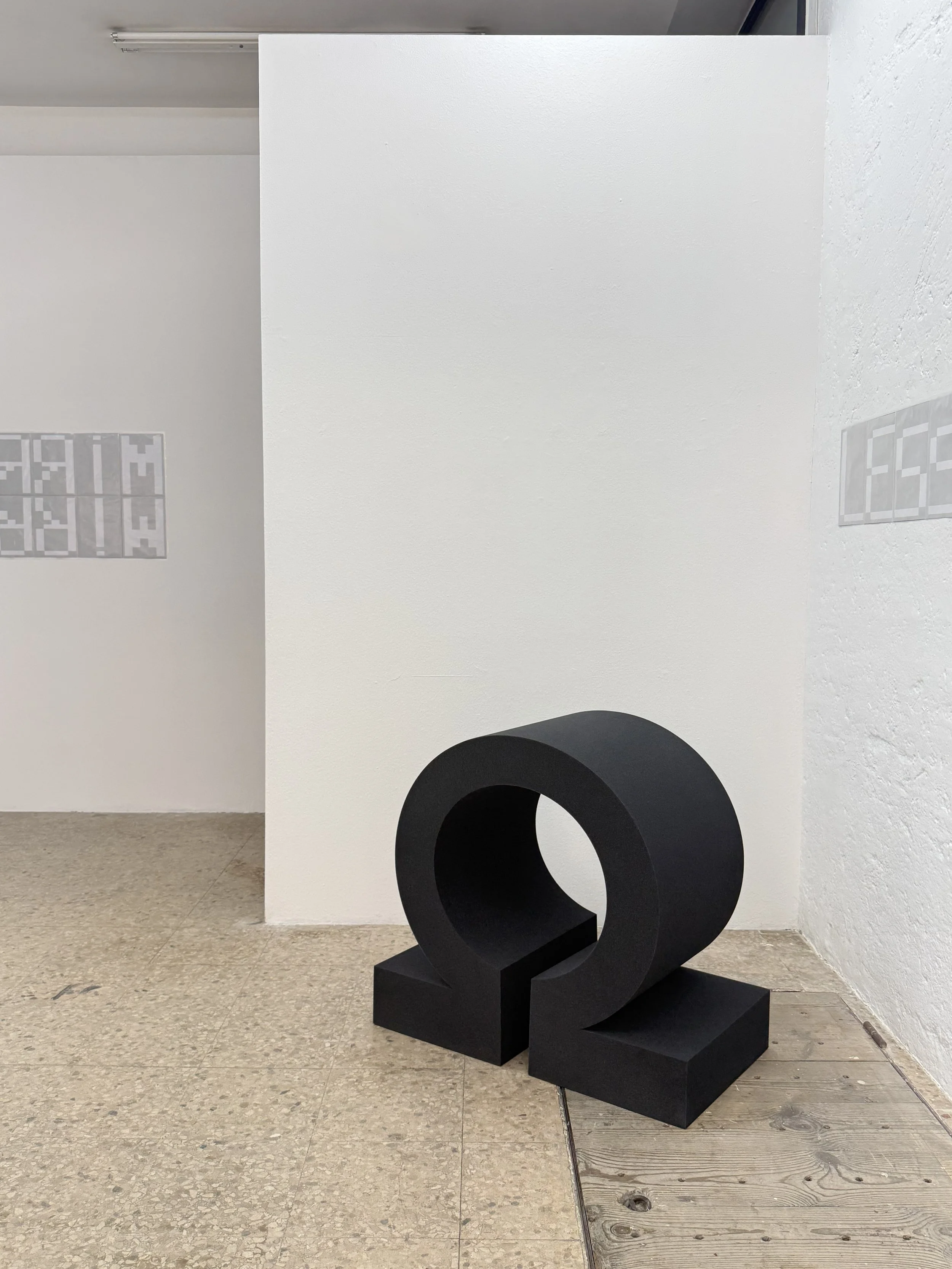
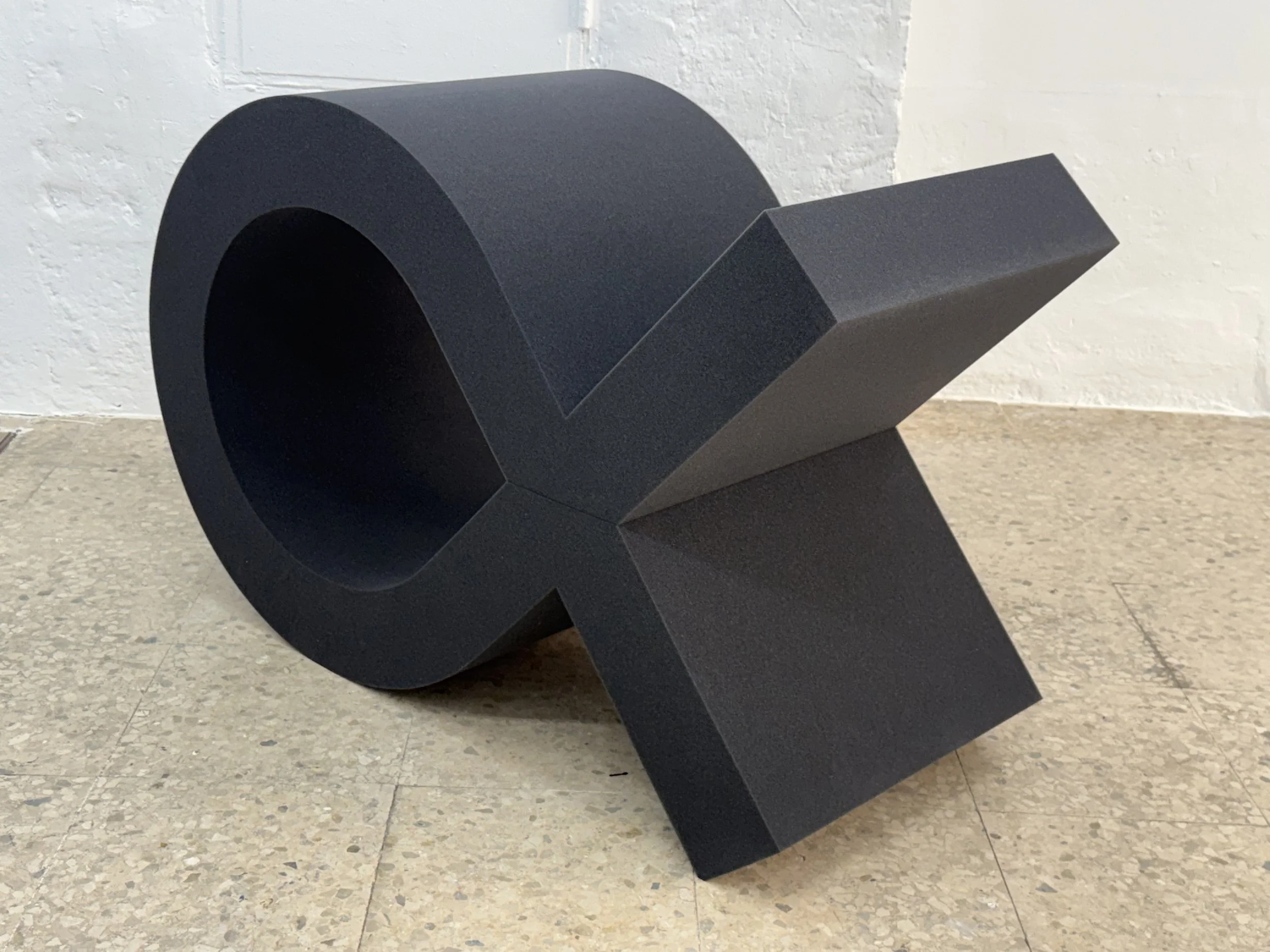
Continuando con la idea de transformación del significado de los elementos constitutivos de la palabra y del texto, se presentan dos volúmenes escultóricos en espuma de poliuretano de color negro con la forma de las letras Alfa y Omega (minúscula y mayúscula respectivamente), cuya ubicación directa sobre el suelo de la galería resulta incierta, casi molesta, como si fueran un estorbo que invade y ocupa parte del espacio, modificando el tránsito por la sala. Alfa y Omega, esculturas “blandas”, pretenden hacer reflexionar al público sobre nuestro vínculo con el alfabeto, la escritura y la comprensión del texto y el mensaje. La incomodidad que puede suponer la relación física del espectador con las piezas en el espacio expositivo, se plantea de un modo similar a cómo nos sentimos constreñidos en la actualidad por el alfabeto, sus normas, sus reglas, su ortodoxia.
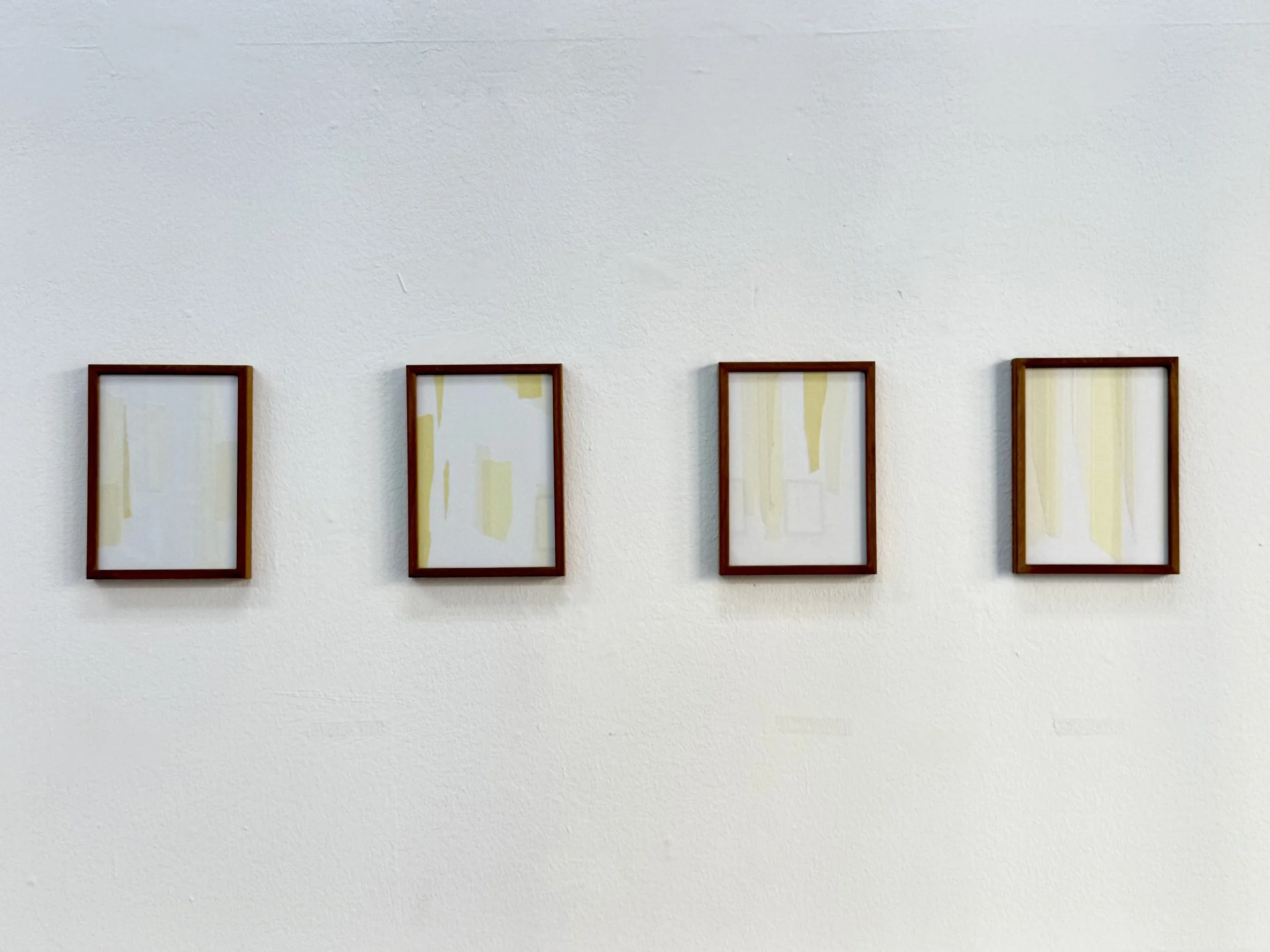
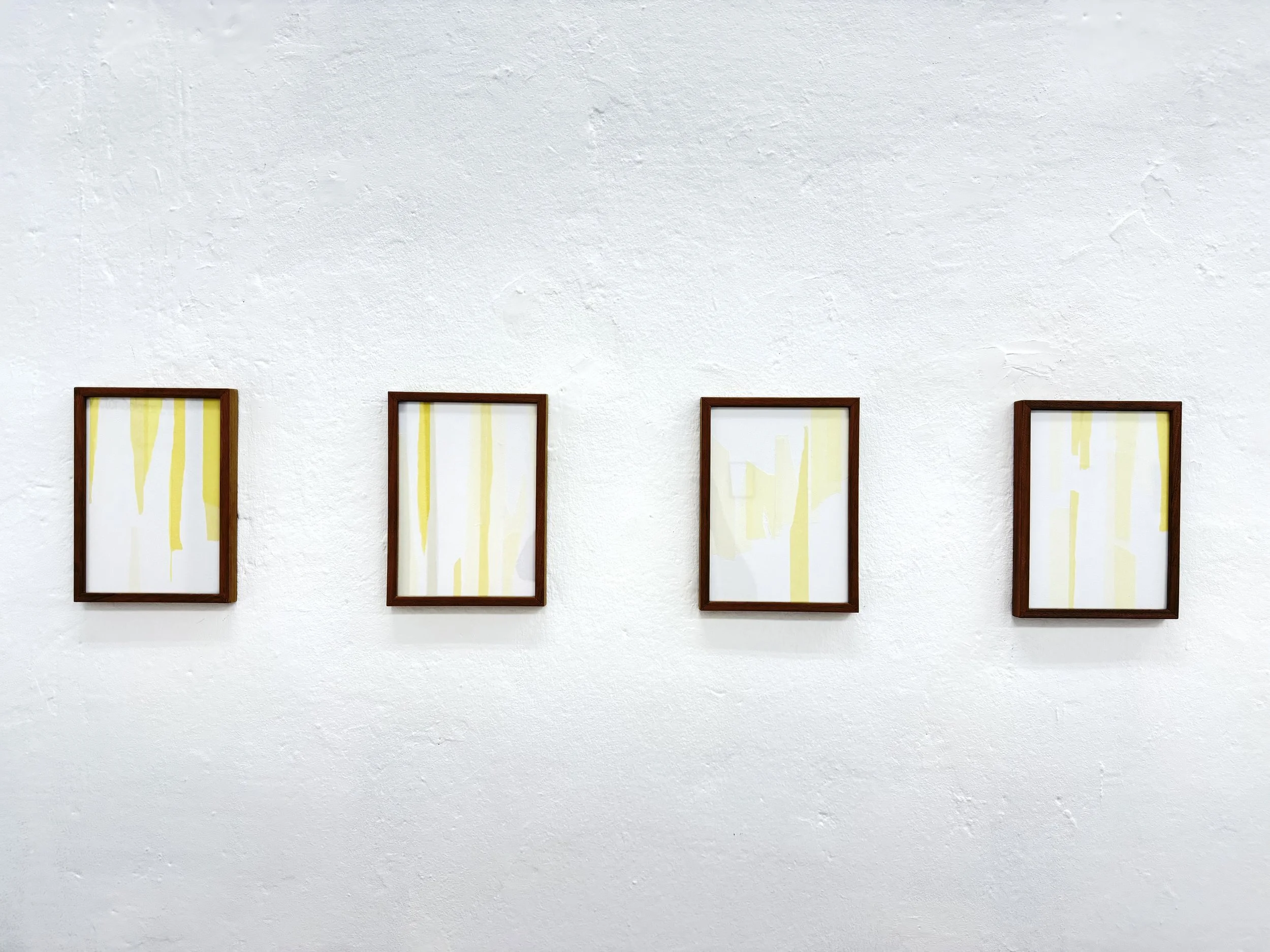
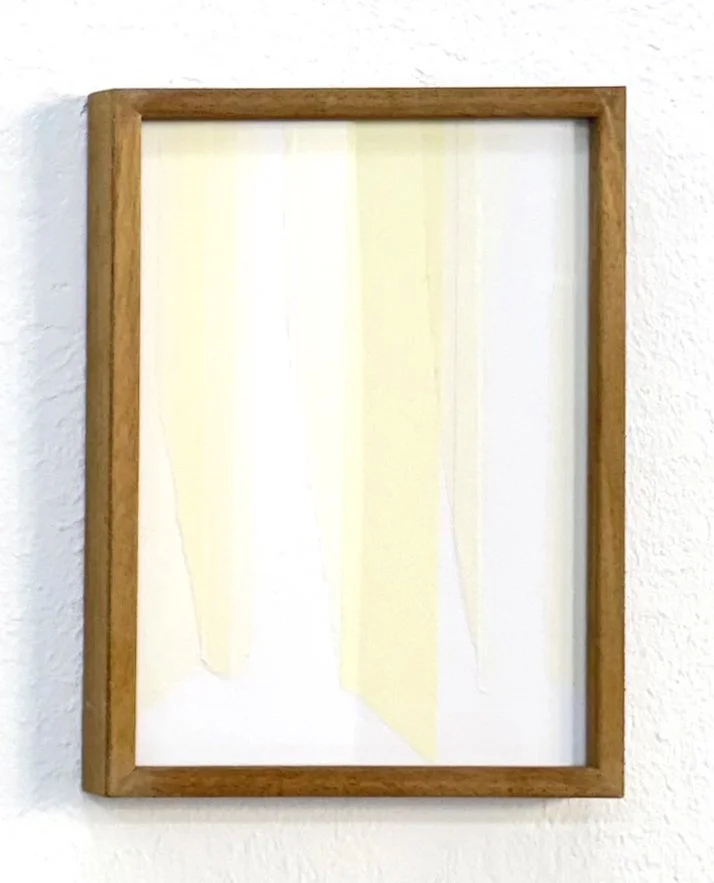
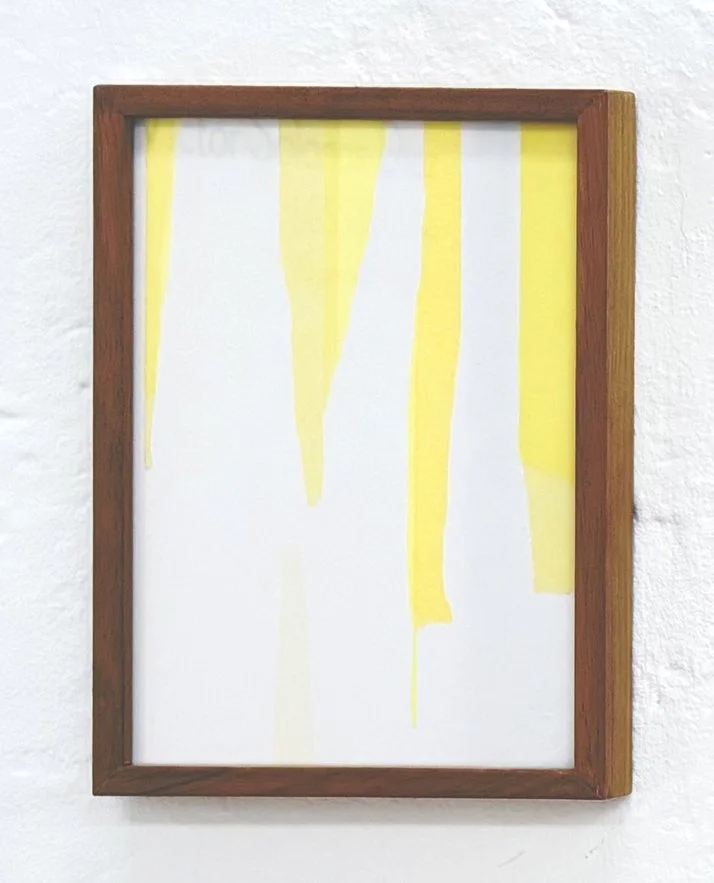
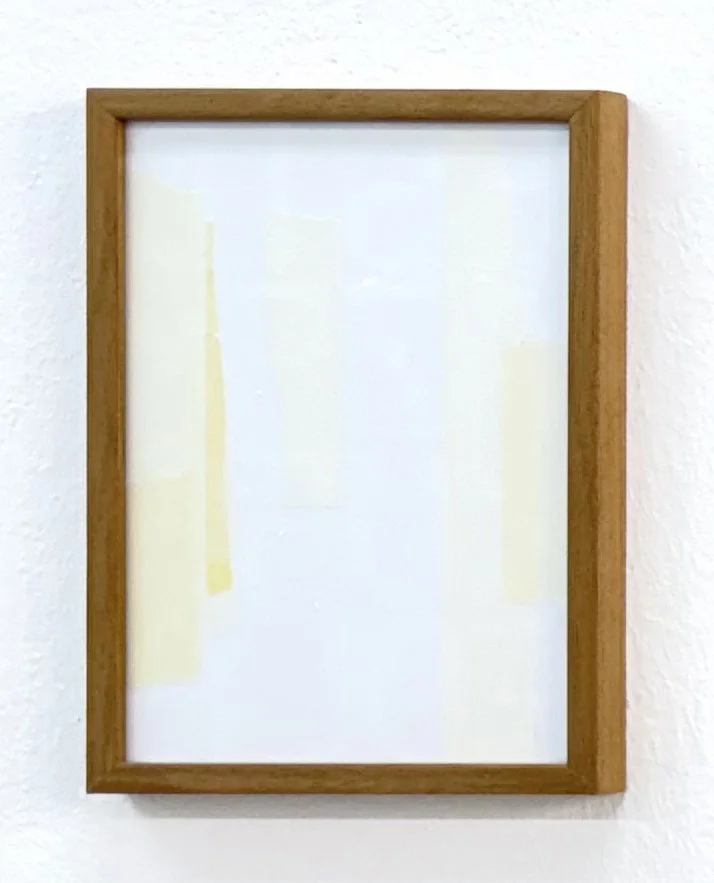
Por último, encontramos una serie de piezas de pequeño formato que funcionan como conjunto, mostrando un procedimiento técnico similar a otros que ya se desarrollaron en proyectos anteriores. Se trata de 8 sencillos collages cuyo título está tomado del libro de James McNeill Whistler The gentle art of making enemies. Están realizados con cinta de carrocero, también conocida como cinta de pintor, de enmascarar o Krepp; cinta adhesiva de papel (base y soporte para la escritura) que, dependiendo del fabricante, nos ofrece un abanico de tonos que van del color blanco al amarillo, pasado por blancos rotos o tonos crema. Tras analizar todos los colores posibles se procedió a clasificar y crear un catálogo de las cintas adhesivas para poder después hacer una combinación de tonalidades, tal y como hacen los pintores cuando crean su paleta de color.
En resumen, Less is Less invita al espectador a descubrir las posibilidades estéticas y conceptuales de una serie de obras creadas partiendo de un imaginario y materiales de lo cotidiano, y que, a su vez, permiten al público visitante la participación directa mediante mecanismos y recursos de pensamiento manejables por la mayoría, puesto que el proyecto se ha planteado de ese modo, convirtiendo las obras en utensilios de comunicación abierta, no hermética, y facilitando siempre el proceso de comprensión del hecho artístico a través de la obra creada y su contenido.
Víctor Solanas-Díaz
LESS IS LESS
Víctor Solanas-Díaz
Less is Less takes as its point of departure the famous phrase attributed to architect Ludwig Mies van der Rohe, Less is more, which became the motto of Minimalism, advocating simplicity, the elimination of the unnecessary, and an emphasis on functionality and aesthetics. In this exhibition, however, a terminological “readjustment” is proposed, whereby the antithesis and paradox embodied in this aphoristic slogan are reconsidered, restoring the objective, elemental and categorical meaning of its principal term: Less (Less is Less: It is not more anymore).
The central work of the exhibition, entitled Crossword, is precisely a crossword puzzle measuring more than three metres in height and width. It invites visitors to participate by completing the meaning of the work through their own “final reading”, without which the process of artistic communication would remain incomplete. The piece is made from removable adhesive label templates for printers, which function as a system of rectangular pixels, allowing the construction of letters and numbers and enabling words or phrases to be configured, thereby creating a visual, conceptual and participatory game that is both simple and engaging for the viewer. Accompanying the crossword are two further works made using the same technique and developed with a similar conceptual intention. The first is the exhibition title itself, Less is Less, while the second, Mirror Mirror, creates a specular reflection of the word, producing two graphic effects: a vertical inversion and a horizontal mirror image.
Continuing this exploration of the transformation of the meaning of the constituent elements of words and texts, the exhibition includes two sculptural volumes in black polyurethane foam shaped as the letters Alpha and Omega (lowercase and uppercase respectively). Placed directly on the gallery floor, their presence is uncertain, almost unsettling, as though they were obstacles invading and occupying part of the space, altering the visitor’s movement through the gallery. These “soft” sculptures encourage reflection on our relationship with the alphabet, writing, and the understanding of text and message. The discomfort generated by the viewer’s physical interaction with the works in the exhibition space parallels the constraints imposed today by the alphabet itself—its norms, rules and orthodoxy.
Finally, the exhibition presents a series of small-format works conceived as a group, employing a technical procedure similar to that developed in earlier projects. These eight simple collages take their title from James McNeill Whistler’s book The Gentle Art of Making Enemies. They are made using masking tape—also known as painter’s tape or crepe tape—a paper-based adhesive tape that serves as both support and ground for writing. Depending on the manufacturer, it offers a range of hues extending from white to yellow, including off-whites and cream tones. After analysing all the available colours, the artist classified and catalogued the tapes in order to create combinations of shades, much as painters compose their palettes.
In summary, Less is Less invites viewers to discover the aesthetic and conceptual possibilities of a group of works created from everyday materials and imagery. At the same time, the exhibition encourages direct participation through mechanisms and intellectual resources accessible to most audiences. Conceived in this spirit, the works become instruments of open rather than hermetic communication, facilitating an understanding of the artistic act through the created object and its content.s